|
|
|
|
|
wholesale industrial auto-sampler with multi-point collection BEST FEATURES
|
|
|

|
|
|

|
|
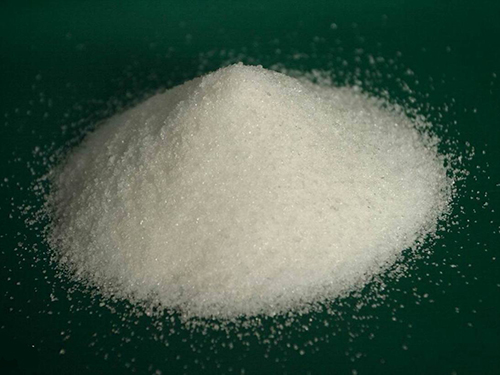
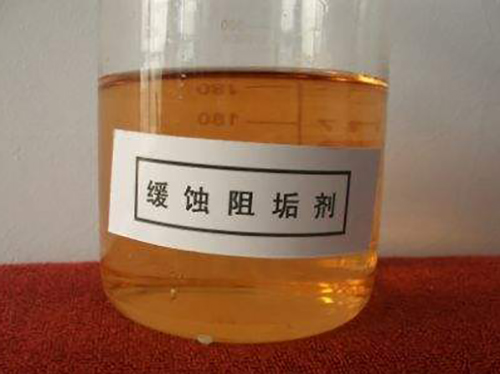
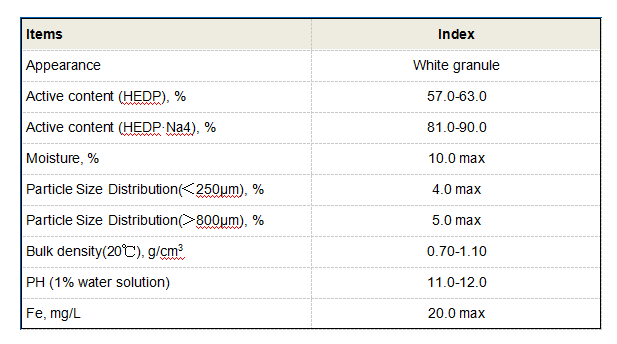
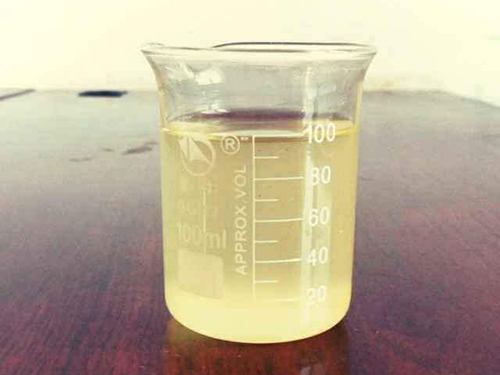
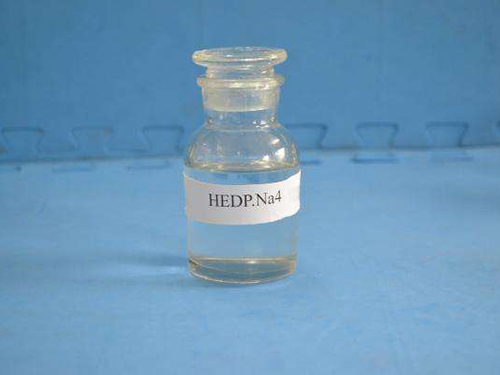
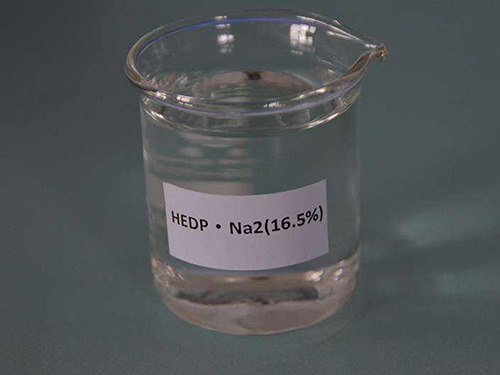
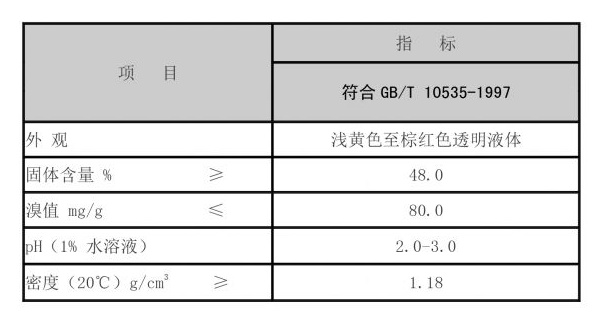
hedp scale inhibitor / hedp / 1 hydroxy ethylidene 1 1 diphosphonic acid hedp / 1 hydroxyethylidene 1 1 diphosphonic acid hedp / hedp 4na / hedp 60 / hedp acid / hedp na2 / hedp na4 / hedp ph / hedp phosphonate / hedp water treatment / sequest hedp / cas no. 37971-36-1: LKP BTC is a leading producer of "HEDP" (Hydroxyethylidene Diphosphonic Acid), a highly effective "scale inhibitor" and "phosphonate." They supply it in various forms: as "HEDP acid" and as its sodium salts ("HEDP 4Na", "HEDP Na2", "HEDP Na4") with different concentrations like "HEDP 60." This organic "phosphonate" is a superb chelating agent ("sequest HEDP") that inhibits scale formation and controls corrosion in "water treatment" systems. Its CAS number is 37971-36-1. |
|
|
|
|
|
READ MORE
|
|
|

|
|
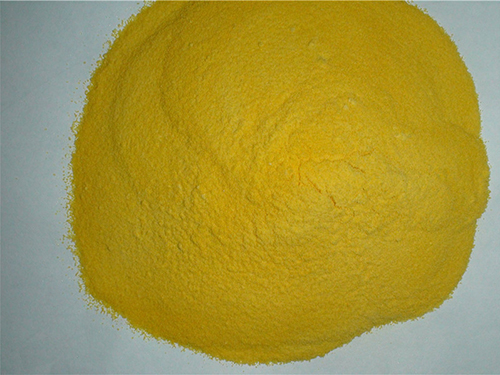
flocculant suppliers / flocculant manufacturers / polyacrylamide suppliers / polyacrylamide manufacturer / poly aluminum chloride manufacturer: LKP BTC is a premier "flocculant manufacturer" and "supplier." They specialize in producing and supplying a wide range of water treatment chemicals, including "polyacrylamide" (PAM) and "poly aluminum chloride" (PAC). As a direct "manufacturer," they control the quality and supply chain, making them a reliable source for industrial and municipal water treatment needs globally. |
|
|
|
|
|
READ MORE
|
|
|
|

|
|
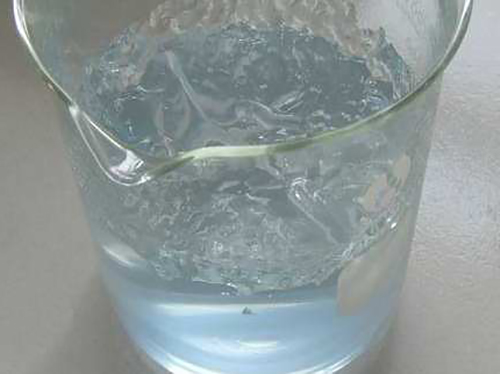
papemp: This likely refers to "PAPEMP" (Phosphino Polycarboxylic Acid), a multi-functional water treatment agent with excellent scale and corrosion inhibition properties, particularly for calcium phosphate and zinc salts. |
|
|
|
|
|
READ MORE
|
|
|

|
|
nonionic polyacrylamide / non ionic polyacrylamide / hydrolyzed polyacrylamide / partially hydrolysed polyacrylamide: LKP BTC offers "nonionic polyacrylamide" (N-PAM). This type has no charge and is used in situations where the suspended particles are neutral or where the water chemistry is sensitive to ionic changes. "Hydrolyzed polyacrylamide" is a form of anionic PAM where some amide groups have been converted to carboxylate groups. |
|
|
|
|
|
READ MORE
|
|
|
|
|
|
|
|