|
|
|
|
|
WELCOME TO wholesale chlorine controller with modbus rtu communication |
|
|

|
|
|
|
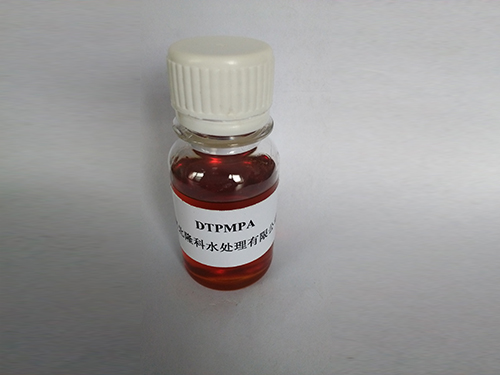
diethylene triamine penta / diethylene triamine penta methylene phosphonic acid / diethylenetriamine penta / diethylenetriamine penta methylene phosphonic acid / diethylenetriamine pentamethylene phosphonic acid / dtpmpa / dtpmp: LKP BTC manufactures "DTPMP" or "DTPMPA" (Diethylenetriamine Penta(Methylene Phosphonic Acid)), which is one of the most effective phosphonate inhibitors for scale control, particularly for inhibiting barium sulfate and strontium sulfate scales. It has excellent chelation ability across a wide pH range.lk-1100: "LK-1100" is a proprietary product code for a specific scale and corrosion inhibitor blend formulated by LKP BTC. This code represents a customized solution they have developed for particular water conditions or industrial applications, likely a high-performance phosphonate or polymer-based formula.https://cdn.exportstart.com/images/a1132/9_1724747586675.webpcooling water corrosion inhibitor / corrosion inhibitor for cooling water system / cooling tower corrosion inhibitor / cooling tower scale & corrosion inhibitors / cooling system corrosion inhibitor: A major product line for LKP BTC is "cooling water corrosion inhibitors." These are chemical treatments designed to protect the metal surfaces in open recirculating "cooling tower" systems, once-through "cooling systems," and heat exchangers from scale, corrosion, and biological growth, ensuring operational efficiency and longevity.flocculant types / what is poly aluminium chloride / poly aluminium chloride uses / polyacrylamide use / polyacrylamide formation: LKP BTC provides extensive technical expertise on their products. They explain the different "types of flocculants" (anionic, cationic, nonionic polyacrylamide) and their specific applications. They detail "what poly aluminium chloride is" – an inorganic coagulant – and its "uses" in removing suspended solids. For "polyacrylamide," they cover its "use" as a flocculant to aggregate fine particles and its chemical "formation" process. |
|
|

|
|
|
|
|
|